Why your business needs a custom native mobile app

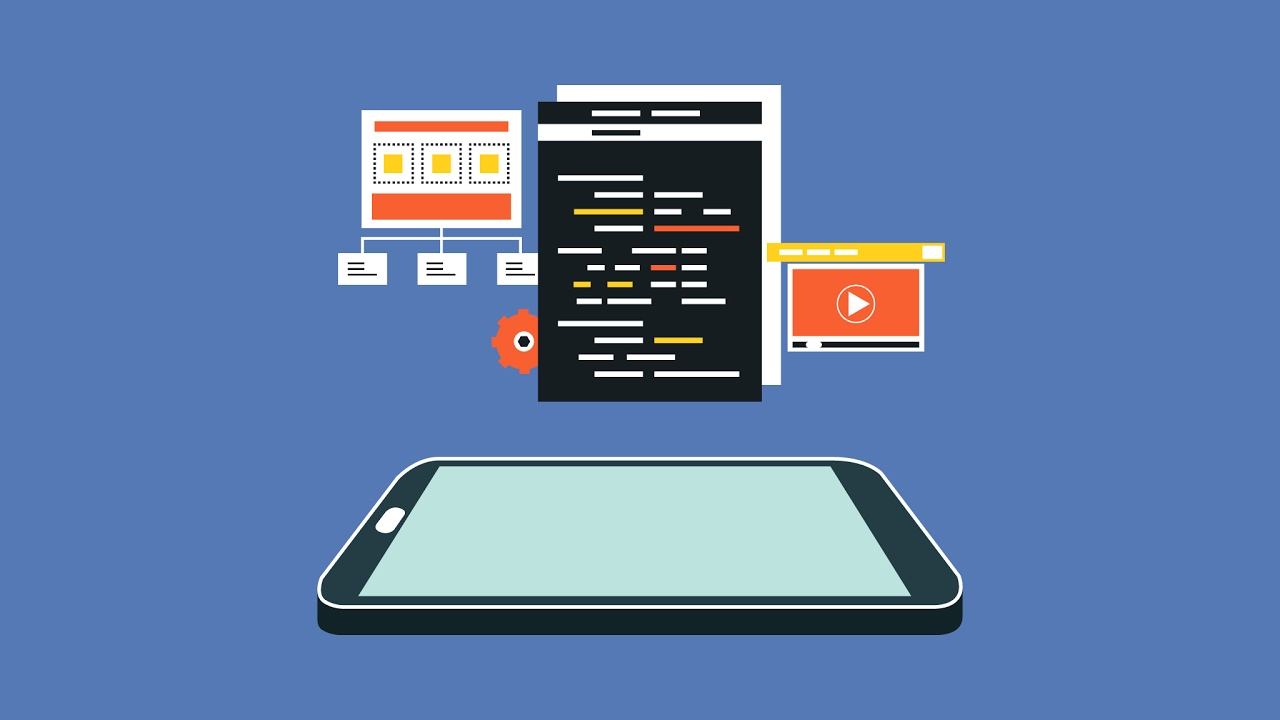
With the development and advancement in the technology there have been many changes in the business jargon. These days, people seem to relying greatly on the internet. As per the present scenario, for businesses, the need for developing mobile applications has become inevitable. Almost all the business enterprises have mobile applications that feature their products or services. These applications give their customers a direct contact in dealing with the company thereby increasing the trust factor and the quality of services provided to them.Basically there are two different types of mobile applications that are being developed these days. The first one is the mobile web application and the second one is the mobile native application.
Mobile web application
The mobile web application is a cross platform application that can be used by anyone having an access on the internet. Easy to develop, cross platform access, affordability and fast to build are a few advantages of the mobile web application. It does not require any download.Though it is easily available without any download the main disadvantage is the access to the browser from the mobile is limited. The additional features like tracking of the GPS, use of camera, checking the hardware etc is not feasible in case of mobile web application. The chunkiness of the website depends on the platform used. The speed of the available internet connection also determines the access to the application.
Mobile native apps
Mobile native applications are built specifically for a particular operating system and specification of hardware. These can be downloaded and used as and when required. Easy access, access to mobile data like calendar, clocks, camera, GPS system etc. They can even be used on an offline mode since the data, application is already downloaded. Any update can be synced when the mobile gets internet access. The native applications usually come with a logo to stay distinguished from its counterparts. Regular updates with noticeable changes keep the users hooked to the application. The monetary gains when selling the applications are immediate. The price is set and with more users buying the applications more profit is earned.The main disadvantage faced by the native application developers is that they have to build various different applications for different platforms, iOS and Android. This is time consuming and hectic. Regular updates also require time and effort.
Need for custom native mobile application
After getting a short overview the basic difference between the native mobile app and web mobile app the choice has to be made between the two. Both have their pro’s and con’s but selecting the Native mobile application will prove to be beneficial in the long run for the business.
- The native mobile application has many built in features that are not available with the web based applications like the syncing of contacts or the image gallery.
- It allows a rich and wide user interface giving more exposure to the users. This gives the app more chances of success in this competitive world of mobile applications.
- With continuous updates, the users get a chance to see the improvement and dedication of the programmers behind it. Moreover continuous updates will also help to retain the customers.
- The native application helps the company to interact with the people 24*7. This will help the company to build a good platform of communication between customers and the company.
- The native apps has to be launched simultaneously on various platforms thereby it reaches a large number of audience at the same time.
- A native mobile application can be launched in the regional languages thus satisfying the customer need to find an application in a language comfortable for them.
- These applications reach billions of users at the same time with a small cost. There is no need to spend hefty amounts on the media coverage.
- They give a chance of earning back the amount spent on the development of these applications. More the number of downloads of the apps more will be revenue generated.
- It offers the maximum flexibility. Changes can be made as per the requirements and without any restrictions. The data can be added, edited or deleted.
- The work becomes simplified with one on one communication with the customers.
- They can be served better and their grievances can be addressed better. This will satisfy the customers and in turn help the business to flourish and grow.
- Native custom applications highlight the special features of the business thereby giving it more exposure in the market.
- These days there are many cross platform software available that reduce the work of developing the application again and again. Such native applications need to be built once and can be used on almost every platform without much hassle.
- The users need not to be a pro in using internet or web browsers. Once downloaded they can be accessed anywhere and anytime as per the requirement.
Summary
The native mobile applications are a boon to the business. They are easy to maintain, cheap, and can be used on a wide variety of platforms. Being secure, robust and fast, Native mobile apps are preferred over the web based applications that require a fast internet connection to be accessed. The Web based applications have to be loaded every time so they are quoted as time consuming. As compared to this, the native applications can be downloaded and stores a majority of the data in the phone memory, thereby reduce the response time. Native mobile applications can be maintained by a non programmer, thereby eradicating the need of hiring a professional for maintenance. The native applications are cheap and easy to maintain.In short the native mobile application has many benefits as compared to the hybrid or the web based applications. This increases its popularity among the business enterprises.
Related Posts

Uncovering Customer Trends from Payment Data

Small Business, Big Opportunity: How Banks Can Lead in Lending